Could your leadership style be the reason decisions keep coming back to you and your team struggles to take ownership?
Even the most capable leaders can find themselves making every decision, struggling to get their teams to move projects forward or wondering why their people aren't performing as well as they could, despite all the time and support they've invested.
Low psychological safety in team’s is often associated with controlling, dismissive or overly critical leadership. But what if the behaviours undermining psychological safety aren't always so obvious? Could the leaders who genuinely value their team's input also be unintentionally discouraging people from challenging decisions, sharing different perspectives or taking ownership?
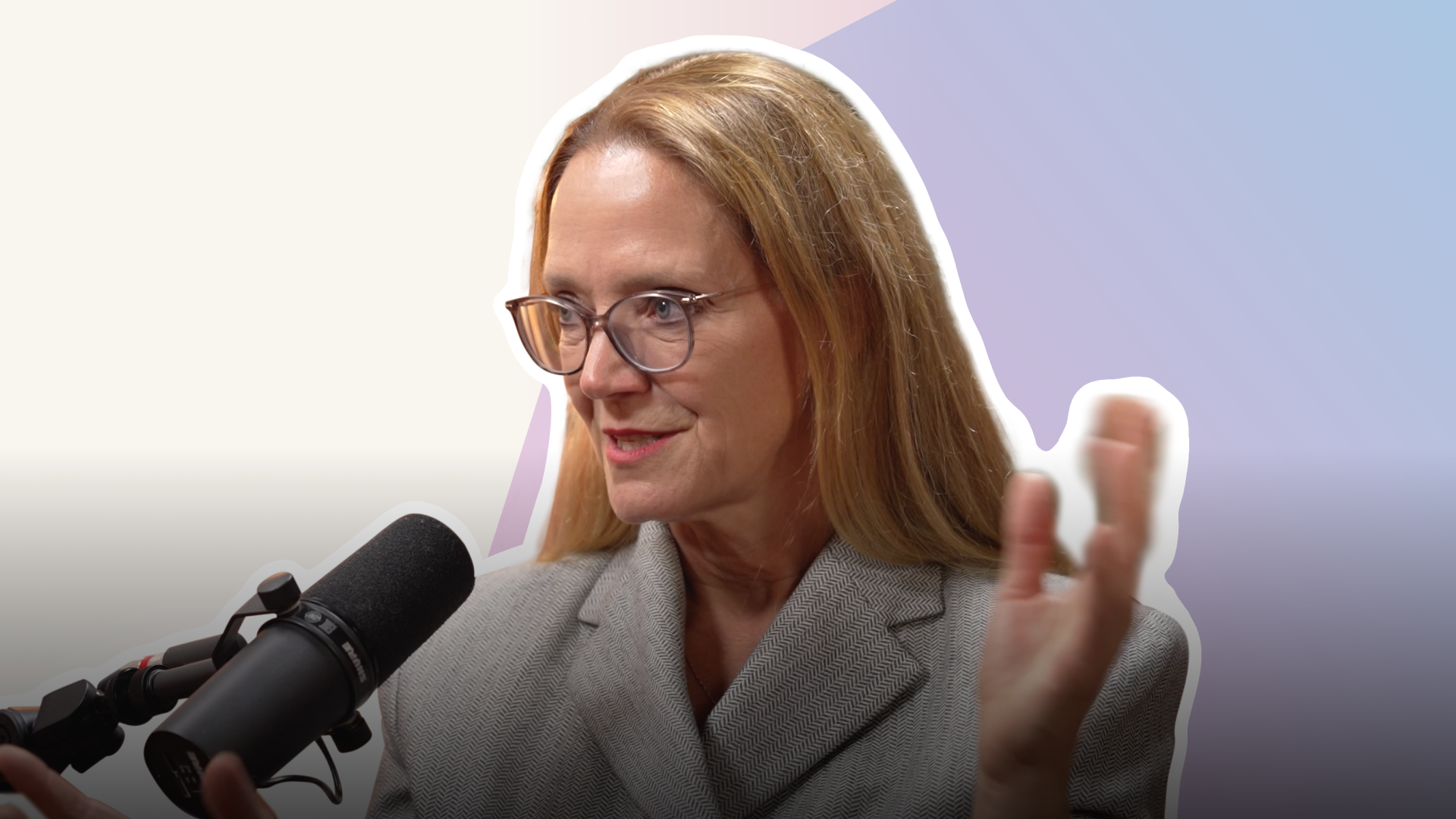
Award-winning Chief Psychology Officer and Author of Brave Teams Dr Amanda Potter sat down with Dr Stewart Desson on The Out of Office Podcast to challenge three common misconceptions about psychological safety and explore how the very behaviours that make leaders effective can also be the ones holding their teams back.
Is your leadership approach getting in the way of your team’s performance?
Effective leaders are often recognised for their ability to deliver results, make decisions and bring people together. But how often do we question whether those same strengths are helping or hindering the people you lead?
As Amanda explains:
“Some of the hardest working, most committed leaders and managers can create toxic, unsafe environments.”
Consider a leader who is highly collaborative. Their ability to bring people together helps keep everyone aligned. But what happens when their effort to maintain consensus stops people questioning ideas because they don't want to disrupt that harmony? Amanda shares an example involving an environment agency, where a strong emphasis on collaboration and consensus had unintended consequences.
Rather than creating a psychologically safe environment that encouraged different perspectives, the pressure to agree led to groupthink, limiting the healthy debate needed to challenge assumptions and make better decisions for the business. Similarly, a results-focused leader may be great at keeping things moving. But their drive to deliver can leave little room for others to influence decisions, question the direction or suggest a better way forward.
There's no single leadership style that works in every situation and every strength has a tipping point. What helps a team deliver results in one situation might prevent them from adapting, challenging assumptions or spotting risks in another. Leaders who create psychological safety recognise when their strengths have crossed the line from effective to ineffective and know how to adapt their approach to give others the confidence and space to contribute.
That might mean dialling back their natural strengths or drawing on opposite behaviours, such as encouraging challenge rather than consensus, or listening rather than driving decisions forward.
Are you creating a culture of honest feedback or comfortable agreement?
Positive working relationships, smooth meetings and a lack of conflict might seem like signs of a psychologically safe team. But what happens when people hold back honest feedback or stay silent about concerns because they don't want to upset others? Psychological safety isn't about avoiding discomfort. It's about creating the trust needed to have honest, sometimes uncomfortable conversations.
Amanda says that includes giving feedback even when doing so feels difficult:
“Feedback is a fundamental aspect of psychological safety. It has to be for us to learn, for us to grow.”
Giving constructive feedback helps people recognise where they can improve, develop their strengths and perform more effectively. Avoiding difficult conversations to protect relationships means important development opportunities can be missed. Equally important is a leader's willingness to invite feedback on their own decisions and behaviours, even when it's difficult to hear. It's one thing to encourage people to speak openly, but another to listen without becoming defensive when someone challenges your thinking. How leaders respond in those moments can determine whether people feel confident speaking up again.
Psychological safety requires feedback to flow both ways. Leaders need to be willing to challenge and be challenged, creating the trust for people to speak honestly, learn from one another and make better decisions together.
What are your everyday leadership habits telling your team?
When organisations want to improve psychological safety, the instinct can be to introduce new programmes, policies or large-scale culture initiatives. But Amanda argues that meaningful change often starts much smaller:
“Psychological safety is not achieved through the big changes, the big ideas, the big infrastructure changes. It's created through micro habits, tiny little changes every day.”
Consider the small moments in your team meetings: Do you share your opinion before anyone else has had a chance to contribute? Does everyone understand why they're in the room and what they can bring to the discussion? And are colleagues joining remotely given the same opportunity to participate as those sitting together? These might seem like small details, but they can influence whose ideas get heard, whether different perspectives are considered and how confidently people contribute.
For leaders, improving psychological safety could start with something as simple as inviting others to share their views before offering your own, taking a few minutes to connect with people before getting down to business or being more intentional about including quieter voices in discussions. The key isn't to change everything at once. It's to recognise one everyday behaviour that could make a difference and practise it consistently.
Listen to the full conversation
You might be encouraging people to speak up, but are your everyday behaviours making it easier or harder for them to do so? Dr Amanda Potter and Dr Stewart Desson explore why even the most effective leaders can unintentionally undermine psychological safety and share practical insights to help leaders create the conditions for critical thinking, greater ownership and better team performance.
Listen now.