The behaviours your culture rewards may not be the behaviours your strategy needs
As your organisation restructures teams, flattens hierarchies and shifts strategy, the behaviour you need for success change too. But behaviour change isn’t easy when people have spent years learning what ‘professional’ behaviour looks like and what’s better left at the door.
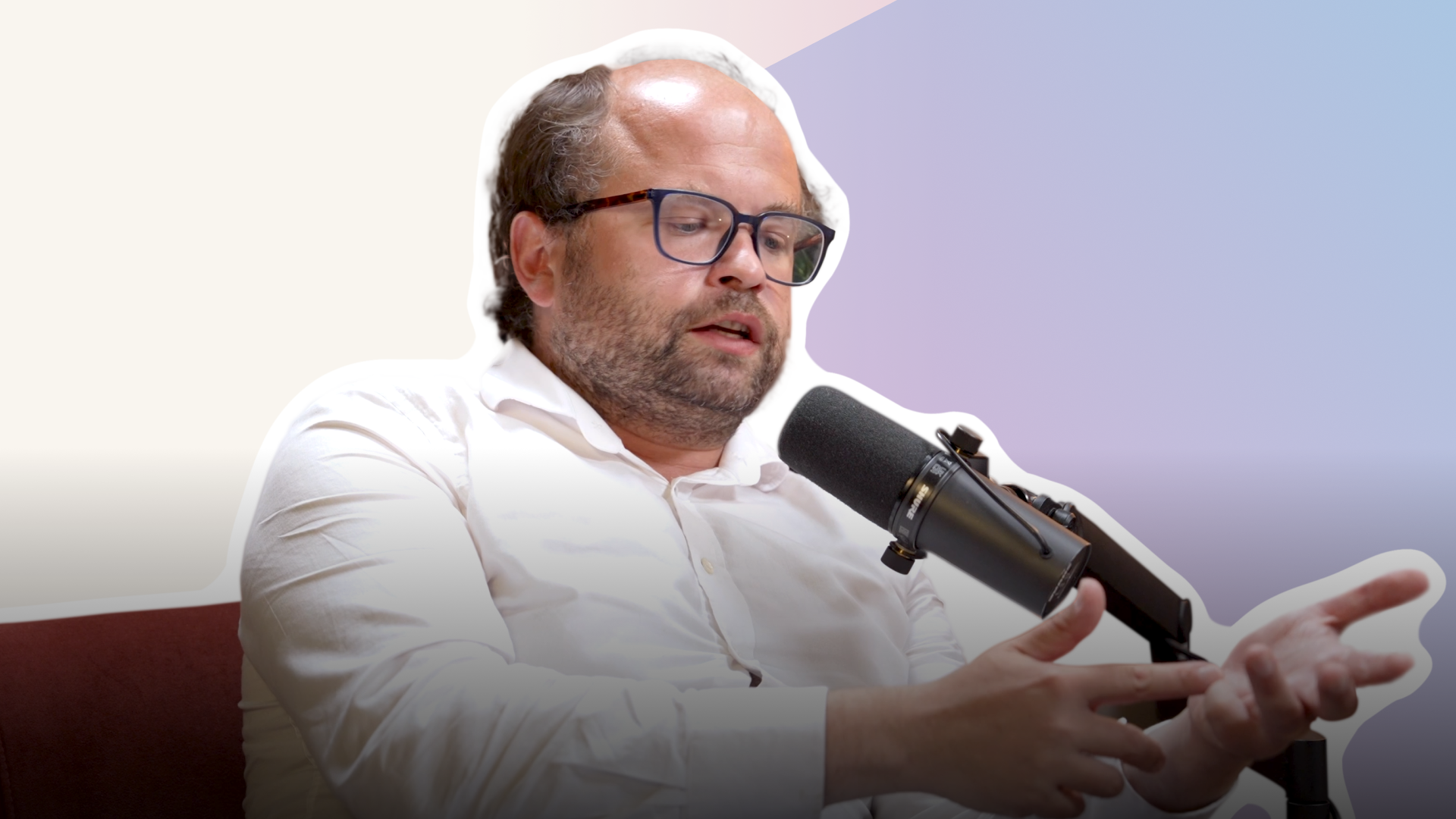
HR Most Influential Thinker and Chief Psychology Officer Nikita Mikhailov says these unwritten rules around ‘professionalism’ can keep people relying on behaviours that helped them succeed in the past, even when they no longer serve their performance or where the business is going next.
He joined Dr Stewart Desson and Jonathan Cannon on The Out of Office Podcast to explore why behaviour can be so hard to shift and how organisations can help people adapt to what the business needs next.
What your culture teaches people
People are constantly being sent signals about what it means to be ‘professional’ in your organisation. They see it in the behaviours that are recognised, rewarded and promoted, and they hear it in the feedback they receive. Over time, those signals shape how people understand what’s expected of them, what good looks like and how to succeed in the organisation. And those lessons can stay with them even as their roles and the business itself change.
Nikita shares an example of a banking executive who traced why he suppresses his emotions at work back to feedback he received 30 years ago.
“Can you just imagine that for 30 years, this person has been managing how they show up based on one sentence of feedback.”
Nikita describes this as our self-narrative: the story we carry about who we are, built largely from our past experiences. A middle manager, for example, may have learnt that being quick to provide direction is what makes them successful. Now the hierarchy is flatter, expertise is more distributed and their team needs greater autonomy.
The behaviour wasn't wrong. What the business needs now has changed. The challenge is that organisations often change their strategy without changing the signals that tell people what success actually looks like. Strategy may set a new direction, but culture tells people how safe it is to behave differently in pursuit of it.
Organisations need to ask: How does our strategy require people to behave differently, and have we created an environment that supports that change?
Not just in the framework, but in which behaviours are role-modelled, recognised, rewarded and promoted.
The behaviour your strategy needs may already be there
There’s another side to this. The behaviours your organisation has reinforced for years have also taught people what they need to leave at the door. The banking executive from Nikita’s story didn’t just dial up his measured side; he also suppressed his more instinctive side.
People may have natural qualities that they haven't had the role, opportunity or permission to use. Some of what your strategy needs may already be there. But if those behaviours haven't been needed or encouraged, you may not even know they’re available.
While the instinct might be to focus on what needs to be developed for the new strategy, there’s also an opportunity to uncover what already exists. This could mean giving someone greater permission to bring a different side of themselves to their current role. Or it could mean putting people into roles, projects and teams where qualities that have previously gone unused suddenly become valuable.
That starts with building greater awareness of the behavioural range already available across your organisation and asking: What behaviour has our culture taught people to leave at the door? And what hidden potential already exists in our people that we could be using more of?
Before looking only at what you need to develop, look at the behavioural potential you already have and how you can mobilise people to where they can make the greatest contribution to your strategy.
Listen to the full conversation
Hear Nikita Mikhailov, Dr Stewart Desson and Jonathan Cannon explore how feedback and workplace experiences shape the behaviours people bring to work and how greater awareness of personality can help uncover hidden potential.
You’ll discover how to:
- Question the assumptions shaping how you believe you need to behave at work.
- Recognise more of your behavioural range, including qualities you may have learnt to suppress.
- Understand how behaviour can change, rather than treating personality as fixed.
- Build more adaptable teams by recognising and making better use of the different behavioural strengths around you.
Listen now.