Most organizations want to develop a feedback culture. Yet very few are creating the conditions for difficult conversations to become opportunities for growth.
When organizations set out to improve feedback, they usually introduce frameworks that support effective conversations. While these are valuable in helping leaders consider how to structure feedback more clearly and consistently, they often overlook that difficult conversations tend to start long before any words are spoken.
That’s because before any feedback is exchanged, both people have already started interpreting the situation through their own assumptions, emotional triggers and past experiences. One person may be preparing to defend themselves from perceived criticism, while the other is expecting a constructive problem-solving discussion. Neither has spoken, yet the conversation is already being shaped by the behaviors, intentions and expectations each person plans to bring into the room.
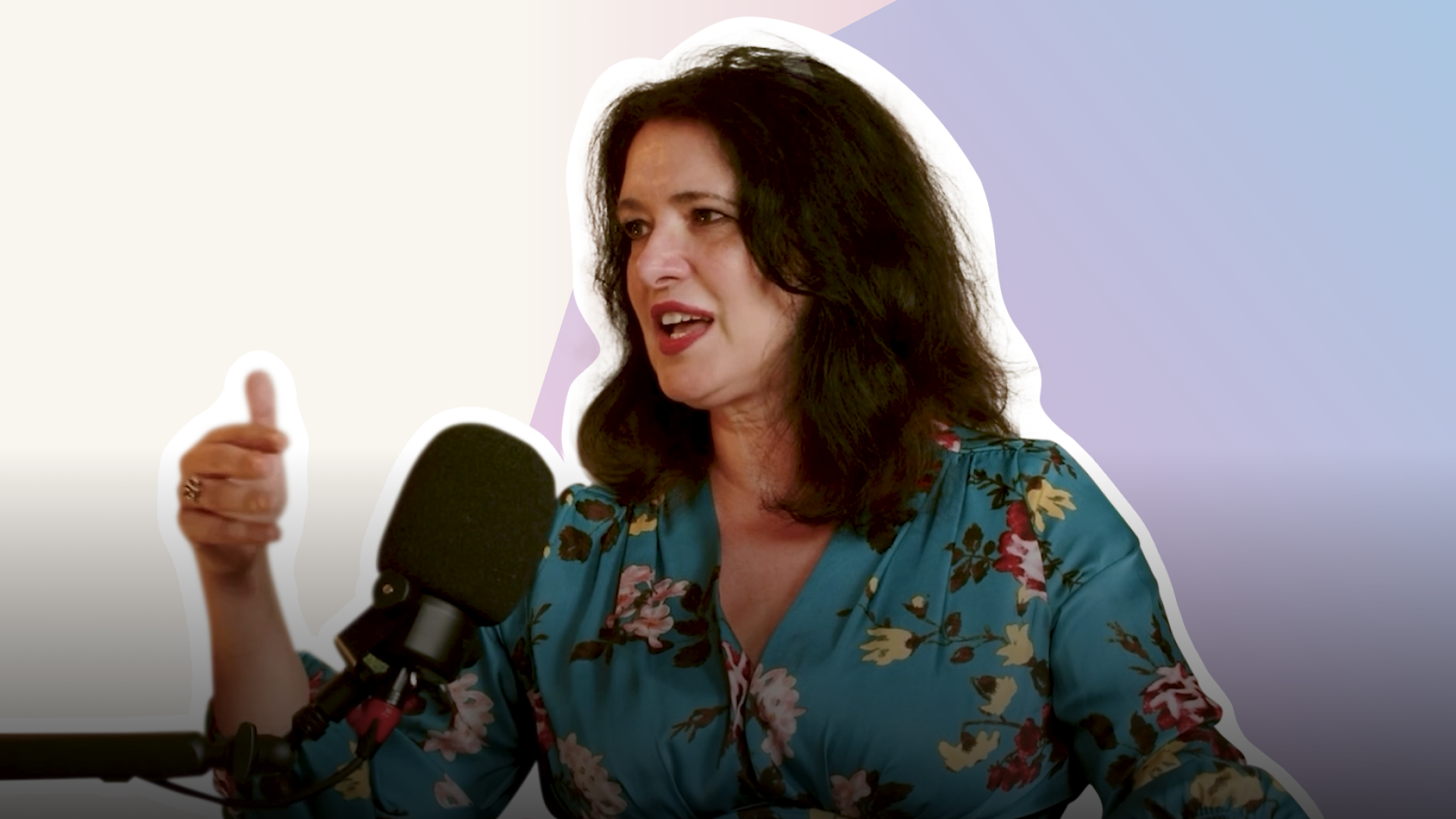
Tania Hummel, Leadership Coach and former HR Director with decades of experience helping leaders navigate conflict, organizational change and executive development, says that is exactly why creating a feedback culture starts with helping leaders understand how they show up in the moment. She sat down with Lumina Learning CEO Dr Stewart Desson and Senior Business Psychologist Jonathan Cannon on The Out of Office Podcast to discuss why the most effective feedback cultures are built through leaders who understand behavior and adapt how they show up in difficult conversations.
Why feedback often feels like criticism
For many people, the word feedback immediately feels uncomfortable. But if feedback is intended to help people grow, why do so many people instinctively fear it?
Tania explains that many people don't hear feedback as feedback at all. They hear it as judgement because that's what feedback has meant throughout much of their lives. Others have such a strong inner critic that even thoughtful, well-intentioned feedback reinforces the stories they're already telling themselves.
"For some people, feedback isn't about positive feedback. It's really about telling you what you're doing wrong." - Tania Hummel
Feedback isn't received the moment it's spoken. It's interpreted through years of experiences that came before it. The same message can land very differently depending on who's receiving it and the experiences, assumptions and behavioral preferences they bring into the conversation:
- Someone who values certainty and structure may need clear context, evidence and practical next steps because ambiguity can make feedback feel uncertain rather than constructive.
- Someone who is naturally collaborative may need to know the conversation comes from a place of support because trust helps them engage openly rather than defensively.
- Someone who is highly logical may appreciate direct, concise feedback because that allows them to focus quickly on what needs to change.
- Someone who is energized by possibilities may respond best when they understand the bigger picture because connecting feedback to future opportunities helps them see its value.
The goal isn't to deliver the same feedback more effectively. It's to recognize that different people need different things to hear the same message. The more organizations help leaders understand that they need to adapt their approach to the behavioral preferences of the people around them, the more they can create conversations that feel less like criticism and more like development.
Difficult conversations start with self-awareness
Frameworks can help structure a conversation, but they can't tell leaders how to respond when emotions rise, assumptions surface or the conversation takes an unexpected turn. Mastering the art of difficult conversations requires the self-awareness to recognize an instinctive response before it becomes an automatic behavior.
"Feedback is more of an art than science. It requires reflection, knowing yourself and being open." - Tania Hummel
Before a feedback conversation, leaders need to develop the habit of pausing and asking themselves:
- How am I showing up right now?
- What assumptions am I bringing into this conversation?
- What behaviors does this conversation need from me?
These questions help leaders develop the ability to notice what's happening and intentionally choose the behaviors that will be most effective for the person, the situation and the outcome the conversation is trying to achieve. The pause is what creates the difference between reacting instinctively and responding intentionally, and changes the quality of the conversation.
That becomes particularly important under pressure. When emotions are high, people naturally rely more heavily on the behaviors that come most naturally to them.
Someone who is naturally decisive may become overly forceful. Someone who values harmony may avoid saying what needs to be said. Pressure doesn't create new behaviors; It amplifies the ones that already exist. In those moments, the behaviors that usually make leaders effective can quickly become overextended, making it harder to listen, connect and respond to what the conversation actually needs.
When leaders develop that level of self-awareness, they become better equipped to recognize when their natural strengths are no longer serving the conversation and consciously dial up the behaviors the situation requires instead. As a result, individual conversations become more constructive, trust begins to grow, and feedback becomes an opportunity for learning and development for everyone involved.
Leaders are already shaping feedback culture
Every organization already has a feedback culture. That culture is created by the accumulation of behaviors people experience every day. Every time a leader asks for feedback, admits a mistake, or adapts their behavior in response to a different perspective, they reinforce that learning and growth are valued. Likewise, every time they become defensive, avoid a difficult conversation, or dismiss another viewpoint, they send a very different message.
"Role modelling is incredibly powerful, either positively or unfortunately negatively, in creating the culture." - Tania Hummel
Over time, those behaviors become the culture. People learn whether it's safe to speak honestly, whether feedback is welcomed or avoided, and whether mistakes become opportunities to learn or something to hide. One conversation doesn't create a feedback culture. But thousands of conversations shaped by curiosity, adaptability, and trust do.
That's why Tania says organizations shouldn't begin by teaching people how to give better feedback, but by helping leaders better understand themselves. When leaders have the self-awareness to recognize their own behavioral patterns, understand when those behaviors become overextended, and consciously adapt to different people and situations, they create permission for everyone else to do the same.
That’s when feedback starts becoming one of an organization's most powerful tools for learning and growth.
Listen to the full conversation now on The Out of Office Podcast to hear practical ways Tania builds stronger feedback cultures in organizations by helping people, teams, and leaders develop the behavioral skills that improve difficult conversations, build trust, and fuel organizational growth.